
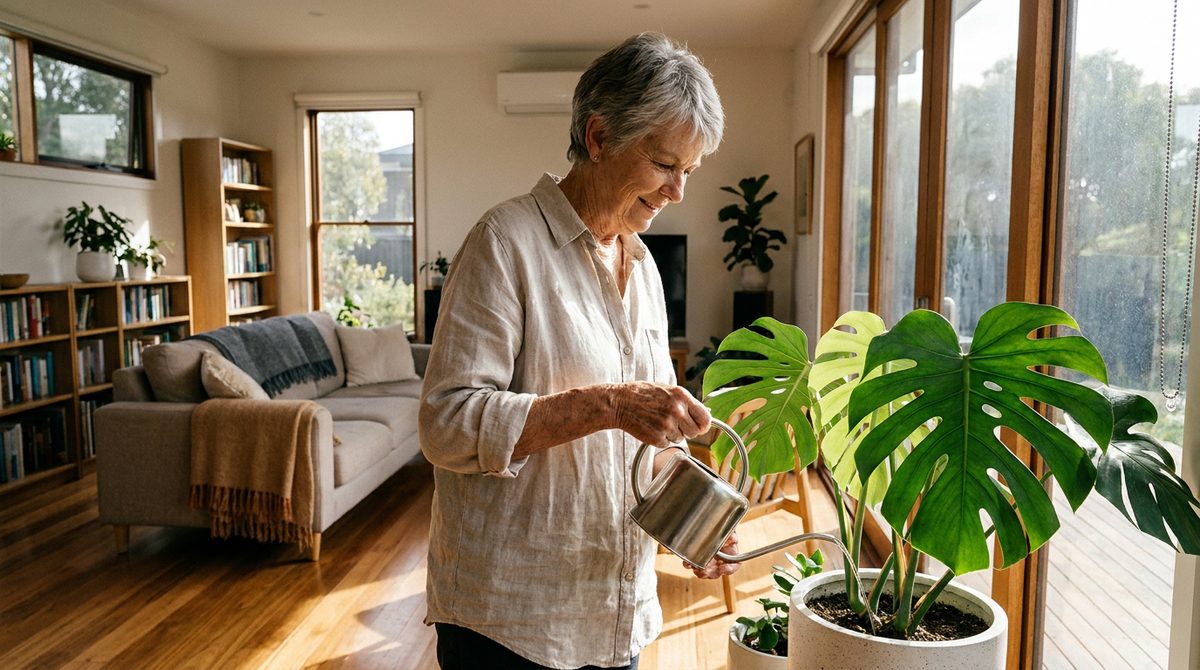
There is a quiet worry that comes with getting older. People begin to wonder whether the house they have lived in for decades is still the right place for them. The good news is simple. For most of us, the answer is yes, for a long time yet.
Staying home is not about pretending nothing changes. It is about making sensible adjustments so the home keeps working for you, so you can keep doing the things you love in the place that holds your memories.
This guide walks through the practical steps, room by room. None are dramatic. Most cost little. Together they add up to a home that supports your independence rather than working against it.
A simple room-by-room safety check
The best place to start is a slow walk through your own home, looking at it with fresh eyes. Falls are the single biggest reason people leave home sooner than they need to, and most are preventable with a few small fixes.
Take your time with each room and look for these things.
- Floors and walkways. Loose rugs are a common trip hazard. Either remove them or fix them down with non-slip backing. Keep cords, shoes and clutter clear of the paths you walk most.
- Lighting. Older eyes need more light. Brighten hallways, stairs and the path from the bed to the bathroom. A plug-in night light makes the late trip down the hall much safer.
- The bathroom. This is where many falls happen. Grab rails beside the toilet and in the shower give you something solid to hold. A non-slip mat in the shower or bath, and another on the floor, makes a real difference.
- The kitchen. Move the things you use every day to between hip and shoulder height. That way you are not reaching up high or bending down low. Keep a sturdy step stool with a handle, never a wobbly chair.
- Steps and the front entry. Check that outdoor steps are even and that handrails are firm. Where a step makes coming and going hard, a simple ramp can transform the entry.
You do not need to fix everything at once. Start with the bathroom and the busiest walkways. Those two areas alone remove a surprising amount of the risk.
"We put a rail in the shower and a brighter light in the hall. Small things, but Mum stopped being nervous about moving around at night."
A reader from Ocean Grove
Simple modifications worth considering early
The biggest mistake people make is waiting until something goes wrong. The best time to make a small change is before you need it, while things are calm.
Here are the changes that give the most benefit for the least fuss.
- Grab rails in the bathroom and beside any tricky step. These are inexpensive and quick to fit.
- Lever-style taps and door handles, which are far easier on hands that have grown stiffer.
- A handheld shower head and a sturdy shower stool, so washing can be done seated and unrushed.
- Raised power points and a cordless phone or mobile kept within easy reach.
- A ramp or a single threshold ramp at the front or back door where steps are a problem.
If you are not sure what your home needs, an allied health professional such as an occupational therapist can walk through with you and suggest changes that suit your situation. Local services and supports can help with this, and we will come back to finding that help shortly.
Staying mobile, at home and out and about
Independence is not only about the inside of the house. It is about getting to the shops in Drysdale, the bowls club in Barwon Heads, or a friend's place in Clifton Springs. Staying mobile keeps you connected, and staying connected keeps you well.
Inside the home, keep the paths between your most-used rooms clear and well lit. A walking aid, if you use one, should have a logical place to live near the door so it is always to hand.
Getting out and about is just as important. The Bellarine has its own distances and terrain, and what works in flat, footpath-lined Ocean Grove may be different in Portarlington or Point Lonsdale. For some people, a mobility scooter opens the world back up, returning the morning trip to the bakery or the visit to a neighbour. If that is something you are weighing up, here is our guide to choosing a mobility scooter.
And when driving is no longer the easy option, you still have choices. Buses, community transport and local services connect the Peninsula townships and run through to Geelong. We cover these in our piece on getting around the Bellarine.
Getting local help with the everyday things
Staying home longer often comes down to handing over a few of the harder jobs so you can keep your energy for what matters. There is no shame in this. It is good sense, and it is what keeps people in their homes.
Across the Bellarine, from Queenscliff to St Leonards, there are people and services who can lend a hand with the everyday tasks, including:
- Home cleaning and laundry
- Lawn mowing, gardening and seasonal tidy-ups
- Small home maintenance and repairs
- Meal delivery or help with shopping
- Allied health support, such as physiotherapy or occupational therapy, that comes to you
Local services and supports can help arrange a lot of this. A good starting point is your local council and your nearest neighbourhood house, both of which know what is available in your area and can point you in the right direction. Local libraries often keep noticeboards and contacts too.
Planning ahead and talking with family
One of the kindest things you can do, for yourself and the people who love you, is to talk about all this before it becomes urgent. A calm conversation over a cup of tea beats a rushed decision in a crisis every time.
Share what matters most to you. Maybe it is staying near the water, keeping the garden, or being close to the friends you see each week. When family understands what you value, they can help you protect it rather than guessing.
Keep the conversation practical. Write down who to call for what, where the important documents live, and which small changes you would like to make first. Revisit it now and then, the same way you check the smoke alarms.
Staying part of the community is its own kind of support. A Men's Shed, a Probus club, U3A classes, the CWA, your local RSL or a neighbourhood house all keep you connected to people who look out for one another. That network is one of the quiet reasons people stay home well.
The truth most people are relieved to hear is this. Staying in your own home is rarely about one big decision. It is a series of small, sensible ones, made early and without panic. A rail here, a brighter light there, a hand with the heavy jobs, and a chat with the family. Together they buy you years in the place you love.
If you would like more practical, local guidance like this each month, join our monthly newsletter. It is free, written for Bellarine locals, and always here to help you stay mobile, connected and at home. You might also enjoy our roundup of what's on for older locals across the Bellarine.